
Welcome to the next step in smart lighting: AI mood lighting. In 2025, advanced smart LED systems don’t just wait for your command. They use simple sensors and smart software to sense the situation and automatically adjust. They create the perfect light to help you focus, unwind, or set the scene for a movie.
In this article, we’ll explain how this smart technology works in easy terms and show how it can make any space feel just right.

How AI Mood Lighting Works: Key Technologies
1. Sensing & Context Awareness
The core of AI mood lighting is sensor fusion and context awareness. The system continuously gathers data from multiple sources to understand the current state of the environment. This includes:
- Environmental Sensors: Monitoring ambient light levels, room occupancy, and even time of day.
- Data Integration: Connecting with other smart devices, like your calendar, music streaming service, or weather app.
- Purpose: By analyzing this data stream, the AI builds a holistic picture. It knows if it’s a bright morning requiring a wake-up boost, a quiet evening for relaxation, or a time for focused work. This allows for automated lighting adjustments that require zero manual input, creating a seamless adaptive lighting experience.

2. Natural Language Processing (NLP)
This technology bridges the gap between human desire and machine execution. With NLP for smart homes, users can control ambiance using intuitive, everyday language instead of navigating complex apps.
- How it Works: You can give a voice command like, “Set a cozy vibe for reading,” or “Make the lighting energizing for my workout.”
- User Benefit: This removes the friction of technical interfaces, making voice-controlled ambiance accessible and natural. It transforms lighting control from a technical task into a simple conversation.
3. Adaptive & Generative Algorithms
This is where the AI’s “brain” operates. Machine learning algorithms analyze historical user preferences, combined with real-time context, to predict and generate the optimal lighting.
- Adaptive Learning: The system learns from your manual overrides. If you consistently soften the “Evening Relax” scene further, it will adapt that preset to your preference over time.
- Generative Potential: Advanced systems use principles akin to generative AI for lighting to create unique, dynamic light scenes that aren’t static presets. Think of a slowly evolving “Ocean Sunset” pattern or a “Focus Flow” sequence that subtly shifts color temperature to maintain alertness. These are dynamic AI-generated light recipes.

Key Applications of AI mood light
1.Residential / Home Automation
Circadian rhythm support
The lighting automatically shifts color temperature throughout the day—cool, focused light during daytime hours and warmer, softer tones in the evening. This rhythm feels more natural and, in most cases, helps support healthier sleep and wake patterns.
Activity-based automation
With simple voice commands like “movie mode,” or through motion and presence sensors, the lights adjust instantly to match what you’re doing. Cooking, reading, hosting guests—each activity gets lighting that fits the moment without extra setup.
Seamless ecosystem integration
Smart lighting also works hand in hand with other connected devices, such as thermostats or speakers. A late-night scenario, for example, might trigger gentle pathway lights while keeping the rest of the house dim and quiet.
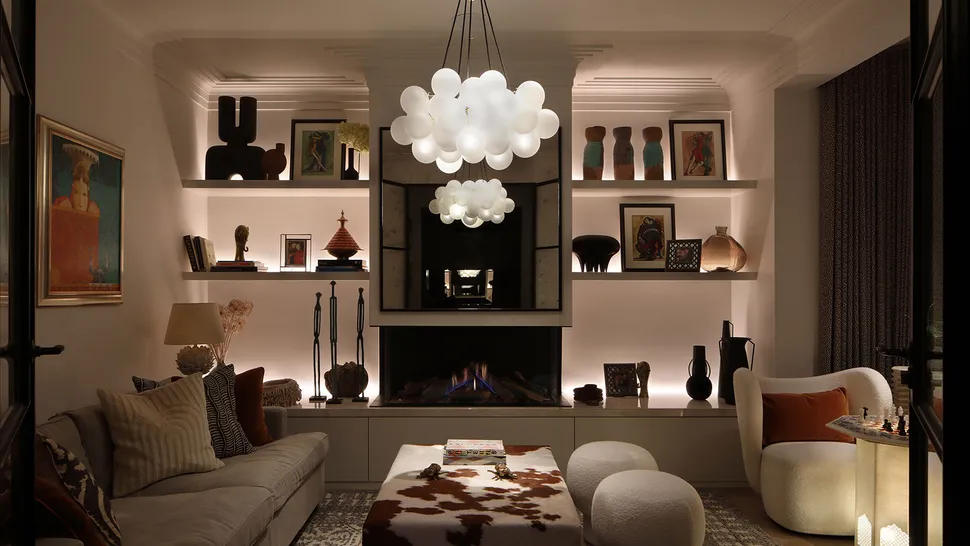
2.Commercial & Hospitality Use Cases
Restaurants: Smart lighting creates a dynamic atmosphere, moving from bright, energetic tones at lunch to warmer, more intimate lighting for dinner service.
Retail: Zoned lighting helps highlight different product categories—brighter, more vibrant light for activewear, softer and warmer tones for home goods—naturally guiding customer attention.
Workspaces: Adaptive lighting supports employee well-being by adjusting throughout the day, helping maintain focus and reduce visual fatigue.

Benefits of AI-Driven Smart mood light
- Enhances Well-being & Focus: It actively supports user health by aligning with the body’s natural circadian rhythms, promoting better sleep and alertness. The system provides optimal lighting for specific tasks—cooler tones for concentration, warmer tones for relaxation—directly contributing to improved mood and productivity.
- Delivers Convenience: This technology eliminates the complexity of manual control. Through predictive automation and context awareness, the lighting adjusts itself based on time, activity, or occupancy. Intuitive voice command controls offer effortless management, creating a truly seamless smart home or workspace experience.
- Creates Unique, Personalized Experiences: Moving beyond fixed presets, AI can generate dynamic and adaptive light scenes. It tailors ambiance to individual preferences and real-time contexts, offering a level of personalized environmental customization that standard smart lighting cannot achieve.

Ready to Experience Adaptive Light?
At Yourlite, we specialize in transforming spaces with intelligent illumination. Our professional smart lighting solutions integrate the latest AI-driven technology to deliver ambiance that understands and adapts.
From residential wellness to commercial impact, we provide the systems and expertise to bring the future of light to your project.
Contact us today to explore what our smart lighting solutions can do for you.

People Also Ask
Q1: What is AI mood lighting?
A: AI mood lighting refers to smart LED systems that use artificial intelligence (AI), sensors, and algorithms to automatically create and adjust lighting ambiance. Instead of manual control, it analyzes context—like time of day, activity, or user preference—to provide the right light for relaxation, focus, or entertainment.
Q2: How do AI smart lights change color to create ambiance?
They combine RGBW LEDs with intelligent software. The AI system selects specific color temperatures and intensities from this spectrum based on its programming—for example, choosing warm, dim ambers for a “cozy” scene or cool, bright blues for a “focus” mode.
Q3: AI mood lighting VS regular smart lights: what’s the different?
- Autonomous Control: AI lighting automatically adjusts to time, activity, and preference. Regular lights require manual app or voice commands for every change.
- Adaptive Learning: AI learns from your habits to personalize scenes. Regular lights use fixed presets that don’t evolve.
- Dynamic Scenes: AI can generate unique, moving light effects (e.g., a simulated flame). Regular lights are limited to static colors and patterns.
- Contextual Awareness: AI acts as an invisible partner that understands your situation. Regular lights are tools you must actively manage.


