
LED strip lights have quickly become indispensable components in today’s evolving lighting scene, becoming functional components for creating sustainable spaces with style.
In 2025, flex LED strip sales reached nearly USD 9.05 billion, growing steadily at an average compound annual growth rate (CAGR) rate of 14.9% from 2019-2033. Meanwhile, smart LED lighting market is anticipated to surpass USD 110.97 billion by 2034 with an anticipated CAGR rate of 15.3% from now until then.
Smart LED strip lights are becoming essential elements in homes, offices, and public spaces. They’re evolving with new trends like Matter compatibility, AI-powered automation, Li-Fi technology, and sustainable design.

What Are LED Strip Lights?
LED strip lights are flexible circuit boards embedded with light-emitting diodes (LEDs) that can be cut to size, bent around corners and installed in various indoor and outdoor locations. Most come equipped with adhesive backing making installation quick and simple on walls, under cabinets, behind TVs or architectural features – providing functional as well as decorative lighting effects.
LED strip lights come in single color, tunable white, or full RGB/RGBIC variations to produce anything from soft ambient glows to dynamic effects. Modern versions often connect with smart home ecosystems via Wi-Fi, Bluetooth or Zigbee for app control, voice command scheduling and synchronized lighting scenes.

Density, Voltage, and Other Important Characteristics
1. Density
LED strip light density refers to the number of LEDs per meter (e.g., 30, 60, 120 LEDs/m).
- Higher density means more light output and smoother illumination without visible “hotspots.”
- Lower density strips are more cost-effective and ideal for accent lighting where uniformity isn’t critical.
When choosing density, consider the installation distance from the surface and the desired brightness level.
2. CRI and TLCI
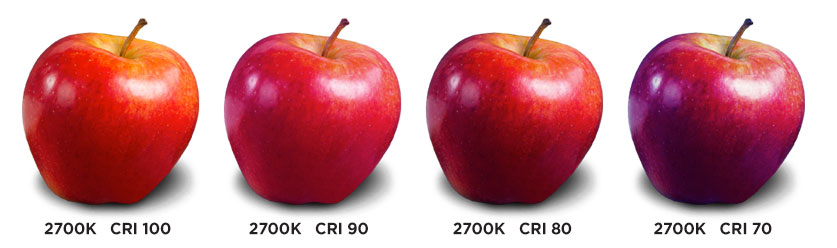
CRI (Color Rendering Index) measures how accurately colors appear under the light compared to natural daylight. A CRI above 90 is ideal for applications where true-to-life color is important, such as photography or interior design.
TLCI (Television Lighting Consistency Index) is a similar metric tailored for broadcast and film. High TLCI ratings ensure that colors look correct on camera without heavy post-production correction.
3. Length
LED strip lights are available in a variety of lengths, typically from 1 meter to 5 meters per roll.
Many are cuttable at marked intervals, allowing you to customize the fit for your space.
For longer runs, voltage drop may occur, leading to dimmer light at the far end—solved by using higher voltage strips or parallel connections.
Choosing the right length ensures both optimal brightness and minimal waste.

Types of LED Strip Lights

Smart Features That Elevate LED Strip Lights
Modern LED strip lights are no longer just decorative accents—they’re becoming intelligent, adaptable, and deeply integrated parts of the smart home ecosystem.
- App & Voice Control – Advanced control options allow users to manage their lighting via smartphone apps or voice commands. Whether adjusting brightness for movie night or changing colors to match a party theme, these features provide a hands-free, intuitive experience.
- Scene Settings & Automation – Today’s LED strips can be programmed to respond to music beats, trigger on motion, or adjust automatically with sunrise and sunset. This flexibility allows for personalized lighting moods, from energizing morning tones to relaxing evening warmth.
- Scheduling & Remote Management – Built-in scheduling ensures lights operate only when needed, helping to reduce energy consumption. Remote access enables homeowners to check and control lights while traveling, adding an extra layer of security and convenience.
- IoT Ecosystem Integration – By connecting with other smart devices—such as occupancy sensors, thermostats, or automated blinds—LED strip lights become part of a unified home control system. This deep integration enhances comfort, optimizes energy use, and creates a more immersive living environment.
As these capabilities advance, LED strip lights are moving from being simple lighting tools to becoming adaptive elements that respond dynamically to user needs and environmental cues.

Why Matter-Compatible LED Strip Lights Are the Future of Smart Home Lighting
1. Interoperability Across Ecosystems
Matter is an open-source, IP-based standard developed by the Connectivity Standards Alliance (CSA)—with support from Apple, Amazon, Google, Samsung, and more. Its goal is to eliminate the need for brand-specific apps or bridges by enabling seamless control across Wi‑Fi, Ethernet, and Thread networks. Matter-certified devices can work natively across various platforms like Apple HomeKit, Google Home, Amazon Alexa, and SmartThings.
2. Local Control for Greater Reliability and Privacy
Unlike smart devices that require cloud connectivity, Matter-compatible LED strips offer true local control—reducing latency and improving reliability. The recent removal of Sengled products from Amazon’s “Works With Alexa” program due to cloud outages underscores how vulnerable cloud-dependent devices can be. Matter devices, in contrast, continue functioning even if cloud services go offline.
3. Future-Proof Your Setup
Matter is designed to evolve. The latest version (1.4.1), released in May 2025, adds NFC onboarding and multi-device setup features—making it even more user-friendly and scalable.
Additionally, Matter-compatible devices promise backward compatibility through software updates, giving consumers peace of mind that their lighting setup can adapt over time.
4. Growing Industry Momentum
Major brands are signaling strong support for Matter. IKEA, for example, is revamping its smart home lineup: its Dirigera hub now supports Matter over Thread and acts as a versatile controller and bridge for multiple device types, signaling greater affordability and interoperability ahead.

Future Outlook of Smart LED Strip Lights
Innovations like Li-Fi-enabled
The future of smart LED strips is boosted by Li-Fi (Light Fidelity). Light is no longer just for brightness—it can also carry fast, secure data. Li-Fi sends information by changing LED light at speeds too quick for the eye to see. It is faster than Wi-Fi and avoids crowded radio signals. Experts predict the Li-Fi market will grow from about USD 1.1 billion in 2024 to nearly USD 20 billion by 2035, with a strong 30% yearly growth rate.
The new IEEE 802.11bb standard allows wireless data transfer through near-infrared light, reaching up to 9.6 Gbps. Early lab tests even show over 100 Gbps using laser LEDs. While still experimental, this shows Li-Fi’s future potential.

Advances in Dynamic Color Accuracy & AI-Driven Mood Lighting
AI is turning LED strips into dynamic lighting tools. Using sensors and machine learning, they adjust brightness and color to match your environment and habits. This saves energy and improves comfort. Brands like Philips Hue now use AI assistants to create custom lighting scenes from simple voice or text prompts like “garden party.”

Sustainable Materials & Ultra-Efficient LEDs
Sustainability is a major trend. More LED strips now use recyclable materials and avoid harmful chemicals. New chip designs like COB and CSP produce brighter light with less power, reaching over 1000 lumens per meter. Features such as motion detection, auto-dimming, and solar compatibility also cut energy use and support green living.

Deeper Smart Home Integration via IoT Sensors & Automation
LED strips are becoming smart devices that interact with your home. With sensors, they can respond to motion, time of day, or even your mood. They also work with security and media systems. Lights can sync with alarms, routines, or music, while voice and gesture controls make them easy to use.

From flexible installation to advanced smart features, LED strip lights are rapidly transforming from decorative accents into integral parts of modern smart homes. With ongoing innovations—such as Li-Fi data transmission, AI-driven mood lighting, and ultra-efficient materials—the future of smart LED strip lights is brighter, more connected, and more sustainable than ever. As consumer expectations for personalization, energy efficiency, and seamless smart home integration continue to grow, choosing the right LED strip lighting solution becomes more important.
At YOURLITE, we specialize in delivering high-quality, globally competitive smart home and lighting solutions, including OEM and ODM services for LED strip lights and other IoT-enabled products. With years of export experience, we help our partners bring innovative, reliable, and market-ready smart lighting to customers worldwide.


